Planning a family vacation is an exciting endeavor, filled with anticipation of creating lasting memories. However, the success of such a trip often hinges on meticulous preparation, and a comprehensive packing list is paramount. This guide delves into the essential components of creating a family vacation packing list, ensuring a smooth and enjoyable journey for everyone involved. We’ll cover everything from clothing and toiletries to electronics and important documents, offering practical tips and strategies to simplify the packing process and minimize stress.
From strategizing clothing choices for diverse climates and activities to efficiently packing luggage and managing essential medications, we provide a structured approach to ensure nothing is overlooked. We’ll also explore ways to manage screen time for children, protect valuable electronics, and safeguard important travel documents. Ultimately, this guide aims to empower families to embark on their vacations with confidence and preparedness, focusing on creating a memorable and stress-free experience.
Planning the Family Vacation Packing List
A well-organized packing list is crucial for a smooth and enjoyable family vacation. Failing to plan ahead can lead to unnecessary stress, forgotten essentials, and potentially costly replacements while traveling. A comprehensive list, tailored to your family’s needs and the destination, ensures everyone has what they need without overpacking.
Creating a Comprehensive Packing List Template
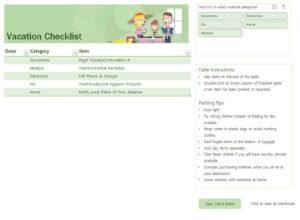
A structured approach to packing list creation minimizes the risk of overlooking items. The following table provides a template that can be easily adapted to your specific family vacation. Remember to adjust quantities based on the length of your trip.
| Person | Item Category | Item | Quantity |
|---|---|---|---|
| Dad | Clothing | T-shirts | 5 |
| Dad | Clothing | Pants | 3 |
| Dad | Toiletries | Toothbrush | 1 |
| Mom | Clothing | Dresses | 3 |
| Mom | Clothing | Shoes | 2 |
| Mom | Toiletries | Sunscreen | 1 |
| Child 1 | Clothing | T-shirts | 7 |
| Child 1 | Clothing | Shorts | 4 |
| Child 2 | Clothing | Pajamas | 2 |
| Child 2 | Accessories | Hat | 1 |
| Family | Documents | Passports | 4 |
| Family | Electronics | Phone Chargers | 3 |
Sample Packing List Visual Representation
A visual representation can aid in understanding the overall packing needs for each family member. This example uses bullet points for clarity.
Dad:
– Clothing (shirts, pants, underwear, socks)
– Toiletries (toothbrush, toothpaste, deodorant)
– Medications
– Wallet and ID
– Phone and charger
Mom:
– Clothing (dresses, skirts, tops, underwear, socks)
– Toiletries (makeup, sunscreen, hairbrush)
– Jewelry
– Purse and ID
– Phone and charger
Child 1:
– Clothing (shirts, shorts, pajamas, underwear, socks)
– Toys/books
– Favorite blanket
– Medications (if applicable)
Child 2:
– Clothing (similar to Child 1)
– Diapers/wipes (if applicable)
– Snacks
– Sippy cup (if applicable)
The Importance of Early Packing List Creation
Preparing a packing list well in advance allows for a more organized and less stressful packing process. This reduces the likelihood of forgetting essential items, especially during the last-minute rush before departure. A detailed list also facilitates efficient shopping for any missing items, ensuring a smooth trip from the start. For example, if you’re planning a trip to a snowy mountain region in December, creating a list in November gives you ample time to acquire warm clothing, snow boots, and other cold-weather gear.
Similarly, if you’re traveling to a tropical destination in July, creating a list in June allows you to purchase appropriate lightweight clothing, swimwear, and sun protection items.
Customizing the Packing List Based on Destination and Activities
The destination’s climate and planned activities significantly influence the contents of your packing list. A beach vacation requires swimwear, sunscreen, and hats, while a hiking trip necessitates sturdy shoes, appropriate clothing layers, and potentially specialized gear like hiking poles. Consider the weather forecast for the duration of your stay. If you plan on visiting museums, include comfortable walking shoes and potentially a small backpack.
For example, a family trip to Disneyland would require comfortable shoes, sun hats, and potentially a stroller for young children, while a family camping trip in the mountains requires more robust gear such as tents, sleeping bags, and cooking equipment.
Clothing Essentials for a Family Vacation
Packing for a family vacation requires careful consideration of various factors, including destination climate, planned activities, and the age range of family members. A well-planned wardrobe minimizes luggage space while ensuring everyone has appropriate clothing for all occasions. This section details essential clothing items and offers strategies for efficient packing.
Clothing Items for Various Climates and Activities
The clothing requirements will significantly vary based on the destination’s climate and the planned activities. It’s crucial to check the weather forecast before packing to avoid overpacking or underpacking.
- Hot Climates (Beach Vacation): Lightweight clothing such as cotton t-shirts, shorts, sundresses, swimwear (multiple sets are recommended), a wide-brimmed hat, sunglasses, and sandals are essential. Consider packing a light cover-up for evenings or sun protection.
- Cold Climates (Ski Trip): Pack warm layers, including thermal underwear, fleece jackets, waterproof and insulated outerwear, warm socks (wool or synthetic), gloves, scarves, and a hat. Consider packing waterproof boots and snow pants for outdoor activities.
- Moderate Climates (City Break): A mix of lightweight and mid-weight clothing is ideal. This could include long-sleeved shirts, jeans or trousers, sweaters, a light jacket, comfortable walking shoes, and a pair of dressier shoes for evenings out.
- Activities-Specific Clothing: Hiking requires sturdy hiking boots, moisture-wicking clothing, and a backpack. Sightseeing requires comfortable walking shoes and versatile clothing suitable for varying weather conditions. Consider bringing specialized clothing for any other planned activities such as water sports or formal events.
Packing Strategies for Different Age Groups
Packing strategies differ significantly based on the age of the traveler. Infants and toddlers require more frequent changes of clothing due to spills and accidents. Teenagers may have specific style preferences, requiring more diverse options. Adults generally need fewer items due to better self-sufficiency.
- Infants/Toddlers: Pack multiple sets of onesies, sleepsuits, socks, and bibs. Consider bringing extra diapers, wipes, and a change of clothes for unexpected messes. Lightweight, easy-to-clean clothes are recommended.
- Children: Pack a variety of tops, bottoms, and dresses or skirts. Include comfortable shoes for walking and playing. Choose clothing that is durable and easy to wash.
- Teenagers: Allow teenagers to participate in packing to ensure they have clothing they feel comfortable wearing. Consider packing a mix of casual and slightly more formal clothing for various occasions. They may need more clothing items due to style preferences.
- Adults: Adults can typically pack more efficiently by choosing versatile items that can be mixed and matched. Consider packing neutral-colored clothing that can be easily combined.
Minimizing Items While Maximizing Versatility
Packing efficiently involves selecting versatile clothing items that can be mixed and matched to create multiple outfits. Neutral colors are key to maximizing versatility. Prioritize clothing items that are wrinkle-resistant and easy to care for. For example, a black or navy skirt can be paired with multiple tops and jackets. Packing versatile items can reduce luggage weight and space.
Efficient Clothing Packing Strategies
Rolling clothes instead of folding them can save significant space in a suitcase. Utilize packing cubes to organize and compress clothing. Place heavier items at the bottom of the suitcase and lighter items on top. Consider using compression bags to reduce the volume of bulky items like sweaters or jackets. This organized approach makes unpacking quicker and more straightforward.
Essential Toiletries and Medications
Packing toiletries and medications for a family vacation requires careful planning to ensure everyone’s comfort and well-being throughout the trip. This involves selecting essential items, considering travel regulations, and organizing everything for easy access. Proper preparation in this area can significantly reduce stress and potential inconveniences during your vacation.
Essential Toiletries and Medications List
Properly packing toiletries and medications is crucial for a smooth family vacation. The following table provides a comprehensive list, adaptable to your family’s specific needs and ages. Remember to consult your doctor regarding any necessary prescription refills or specific travel advice.
| Item | Quantity | Person | Notes |
|---|---|---|---|
| Toothbrush & Toothpaste | 1-2 per person | All | Consider travel-sized options. |
| Shampoo & Conditioner | 1-2 per person | All | Travel-sized bottles are recommended. |
| Soap/Body Wash | 1-2 per person | All | Consider bar soap for ease of packing. |
| Deodorant | 1 per person | All | Solid deodorant is less prone to spillage. |
| Sunscreen | 1-2 bottles | All | SPF 30 or higher, broad-spectrum protection. |
| Insect Repellent | 1 bottle | All | Choose a repellent appropriate for your destination. |
| Lip Balm with SPF | 1-2 per person | All | Protects lips from sun and dryness. |
| Medications (Prescription & Over-the-Counter) | Sufficient supply + extra | All | Include pain relievers, allergy medication, anti-diarrheal medication, etc. |
| First-Aid Kit | 1 | All | Band-aids, antiseptic wipes, gauze, etc. |
| Hand Sanitizer | 1-2 bottles | All | Especially important for travel. |
| Wet Wipes | 1 pack | All | Useful for cleaning hands and faces. |
| Baby Wipes (if applicable) | 1 pack | Babies/Toddlers | Essential for diaper changes and cleaning. |
| Diapers/Pull-ups (if applicable) | Sufficient supply + extra | Babies/Toddlers | Consider the duration of the trip. |
| Baby Formula/Food (if applicable) | Sufficient supply + extra | Babies/Toddlers | Check airline regulations for carrying liquids. |
Importance of Travel-Sized Containers
Using travel-sized containers for toiletries is crucial for several reasons. Firstly, it significantly reduces the overall weight of your luggage. Secondly, it helps meet airline regulations regarding liquids carried in carry-on baggage. Finally, it allows for easier organization and prevents potential spills during travel. Many toiletries are available in travel sizes, or you can transfer products into smaller, leak-proof containers.
Airline Regulations for Liquids
Airlines have strict regulations concerning liquids carried in carry-on luggage. Generally, liquids must be in containers of 3.4 ounces (100ml) or less, and all containers must fit inside a single, quart-sized, clear, plastic, resealable bag. This is to ensure passenger safety and prevent potential security risks. Failing to comply with these regulations may result in confiscated items.
Medication Packing Checklist
A thorough checklist ensures all necessary medications are packed and readily accessible. This is particularly important for those with chronic conditions or allergies.
- Make a list of all medications, including dosages and frequency.
- Confirm you have enough medication for the entire trip, plus a few extra days’ supply.
- Store medications in their original containers with labels clearly visible.
- Pack medications in your carry-on bag to avoid loss or damage in checked baggage.
- Keep a copy of your prescriptions in case of emergencies.
- Consider carrying a doctor’s note detailing your medication needs, especially for international travel.
Successfully navigating the complexities of family vacation packing requires careful planning and organization. By utilizing a comprehensive packing list tailored to your family’s needs and destination, you can significantly reduce stress and maximize enjoyment. Remember to account for diverse climates, activities, and individual preferences. This guide has provided a framework; adapt it to your specific circumstances, and embark on your adventure with peace of mind, knowing you’re well-prepared for whatever awaits.
Popular Questions
What if I forget something?
Most things can be purchased at your destination. Prioritize essentials and don’t stress over minor omissions.
How do I deal with different age groups’ needs?
Create separate packing lists for each age group, focusing on their specific needs and clothing sizes. Consider using a color-coded system for easy identification.
What about perishable items?
Limit perishable items, especially if traveling by air. Consider items with a longer shelf life or plan to purchase them at your destination.
How can I keep kids entertained on the plane?
Pack age-appropriate books, games, and downloaded movies or shows. Consider small, quiet toys and activities to minimize disruptions.