Family vacations in national parks offer unparalleled opportunities for adventure, education, and lasting family memories. From breathtaking landscapes to engaging ranger programs, these protected areas provide a unique backdrop for creating unforgettable experiences. This guide explores the planning, activities, and logistics involved in crafting a successful family vacation in America’s stunning national parks, ensuring a trip that’s both enriching and enjoyable for all ages.
We’ll delve into practical aspects like budgeting, transportation, and accommodation options, offering tailored advice for families with children of varying ages. We’ll also highlight the wealth of educational and recreational activities available, emphasizing safety precautions and responsible environmental stewardship. Whether you envision a week-long exploration of Yosemite or a shorter camping trip in the Great Smoky Mountains, this comprehensive guide will equip you with the knowledge and tools to plan an extraordinary family adventure.
Planning the Perfect National Park Family Vacation
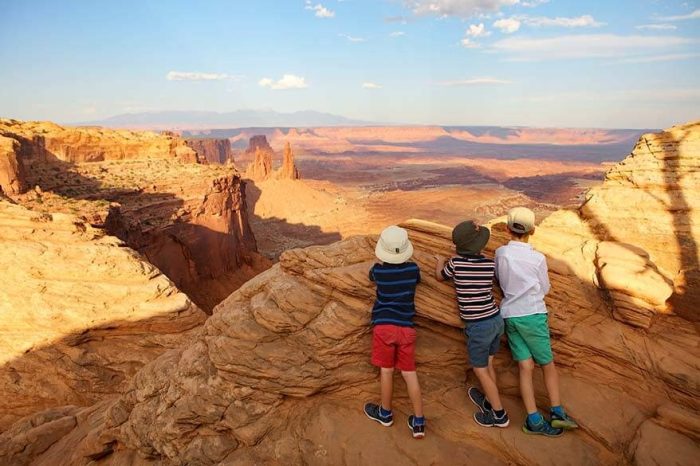
National parks offer unparalleled opportunities for family adventures, fostering a love for nature and creating lasting memories. Careful planning, however, is key to ensuring a smooth and enjoyable trip for everyone, especially when traveling with children. This section will provide practical guidance on planning a successful family vacation in some of America’s most stunning national parks.
A Week-Long Yosemite Family Itinerary
This itinerary balances iconic sights with age-appropriate activities for children aged 8-12. Flexibility is crucial; adjust based on your family’s pace and interests.
Day 1: Arrive in Yosemite Valley, check into your lodging (consider Yosemite Valley Lodge or Curry Village for family-friendly options). Take a leisurely stroll along the Merced River, enjoying the views of El Capitan and Half Dome.
Day 2: Visit Yosemite Valley Chapel and explore the Ansel Adams Gallery. Enjoy a picnic lunch amidst the stunning scenery. In the afternoon, take a guided nature walk focusing on the valley’s flora and fauna.
Day 3: Drive up to Glacier Point for breathtaking panoramic views. Enjoy a junior ranger program, engaging kids in interactive activities and learning about the park’s history and ecology.
Day 4: Hike to Lower Yosemite Fall, an easy and rewarding trail suitable for all fitness levels. Spend the afternoon swimming or relaxing by the Merced River (check for water safety advisories).
Day 5: Explore Mariposa Grove of Giant Sequoias, marveling at these majestic trees. Enjoy a ranger-led program focused on the sequoias’ history and ecology.
Day 6: Visit the Yosemite Museum, learning about the park’s history and natural wonders through interactive exhibits. Enjoy a final picnic lunch in the valley.
Day 7: Depart from Yosemite National Park, taking with you cherished memories of your family adventure.
Yellowstone National Park Budget Breakdown (Family of Four)
This budget is an estimate and can vary depending on travel time of year, accommodation choices, and spending habits. Prices are approximate and should be verified closer to your travel dates.
Accommodation (7 nights): $1400 (average $200/night for a family-friendly cabin or hotel outside the park)
Park Fees (7-day pass): $80 (per vehicle)
Food (7 days): $700 (allowing for a mix of groceries and restaurant meals)
Activities (Geyser Basin entry, guided tours etc.): $300
Gas & Transportation: $300 (depending on distance from home)
Total Estimated Cost: $2780
Note: This budget does not include flights or souvenirs.
Family-Friendly Transportation Options within National Parks
Choosing the right transportation significantly impacts your park experience. Consider these options:
Personal Vehicle: Offers flexibility and convenience, allowing you to explore at your own pace. However, parking can be limited and challenging in popular areas, and driving within the park can be time-consuming.
Park Shuttle: Provides a stress-free way to travel, especially in crowded areas. However, shuttles operate on fixed schedules, limiting spontaneity, and may not reach all areas of the park.
Bike Rentals: Offers a fun and active way to explore, particularly in flatter areas. However, biking can be strenuous, especially with children, and may not be suitable for all terrains or distances.
Comparison of Family-Friendly National Parks
| Park | Accessibility | Kid-Friendly Activities | Lodging Options |
|---|---|---|---|
| Grand Canyon National Park | Varied; some trails are strenuous, while others are accessible. Rim trails offer easier options. | Mule rides, ranger programs, scenic overlooks, boat tours on the Colorado River (depending on season). | Hotels, lodges inside and outside the park; camping options available. |
| Acadia National Park | Good paved carriage roads are great for biking and scenic drives; some trails are more challenging. | Oceanside walks, carriage road biking, tide pooling, ranger-led programs, climbing (with proper guidance). | Hotels, lodges, and campgrounds within the park and nearby towns. |
| Great Smoky Mountains National Park | Many easy trails are suitable for families; some areas are more remote and require more experience. | Hiking, scenic drives, wildlife viewing, historic sites, ranger programs, fishing (with permit). | Cabins, hotels, and campgrounds scattered throughout the park and surrounding areas. |
Activities and Experiences in National Parks for Families
National parks offer a wealth of opportunities for families to connect with nature, learn about the environment, and create lasting memories. Engaging activities, educational programs, and a focus on safety ensure a fulfilling and enriching experience for all ages. This section will detail various aspects of planning a family-friendly national park adventure, focusing on activities suitable for young children, educational aspects, safety considerations, and available ranger programs.
Engaging Activities for Young Children (Ages 3-7)
Choosing age-appropriate activities is crucial for a successful family trip. Young children thrive on hands-on experiences and shorter, less strenuous activities. The following suggestions cater to this age group, fostering a sense of wonder and appreciation for the natural world.
- Junior Ranger Programs: Many parks offer Junior Ranger programs specifically designed for young children. These programs typically involve completing a booklet with activities like nature walks, scavenger hunts, and identification tasks, culminating in earning a Junior Ranger badge. This encourages exploration and learning in a fun, engaging way.
- Nature Walks and Scavenger Hunts: Short, well-marked nature trails with age-appropriate scavenger hunts can transform a walk into an adventure. Focus on identifying common plants, animals, and sounds, keeping the walk engaging and not overly strenuous. A simple checklist with pictures is helpful.
- Picnics and Nature Play: Enjoy a picnic lunch amidst stunning scenery. Incorporate nature play elements like building mini-dams in a stream, collecting rocks and leaves, or creating nature art with found materials. This allows for unstructured play and exploration.
- Ranger-led Story Time or Puppet Shows: Check park schedules for ranger-led programs designed for young children. These often involve storytelling, puppet shows, or interactive games centered around park animals, history, or ecology.
- Wildlife Viewing (from a distance): Observe wildlife from designated viewing areas or through binoculars. Teach children about responsible wildlife viewing, emphasizing the importance of maintaining a safe distance and avoiding disturbing animals. Use field guides to identify animals spotted.
Educational Opportunities in National Parks
National parks serve as exceptional outdoor classrooms, offering rich educational opportunities for families. Experiential learning through direct observation and interaction with nature fosters a deeper understanding and appreciation of the environment.
Learning about local flora and fauna through ranger-led walks or self-guided exploration using park maps and field guides is a valuable experience. Many parks offer interactive exhibits in visitor centers, providing information about the park’s geology, history, and ecology. Participating in citizen science projects, such as bird counts or water quality monitoring, can further enhance the learning experience and contribute to conservation efforts.
The hands-on nature of these activities makes learning fun and memorable for children.
Safety Precautions for Family Activities
Prioritizing safety is paramount when engaging in outdoor activities in national parks. Families should be well-prepared and follow established safety guidelines to minimize risks.
- Sun Protection: Apply sunscreen with a high SPF, wear hats and sunglasses, and seek shade during peak sun hours. Dehydration is a serious risk; bring plenty of water and encourage frequent hydration.
- Wildlife Awareness: Maintain a safe distance from all wildlife. Never feed or approach animals. Be aware of potential hazards like bears or snakes, and follow park guidelines for proper food storage and bear safety.
- Hiking Safety: Choose trails appropriate for your family’s fitness level and children’s ages. Inform someone of your hiking plans, and carry a map, compass, first-aid kit, and plenty of water. Wear appropriate footwear and clothing.
- Water Safety: Never swim alone or in unsupervised areas. Wear life jackets when boating or engaging in water activities. Be aware of water currents and potential hazards.
- Emergency Preparedness: Carry a fully charged cell phone, a whistle, and a first-aid kit. Know the location of emergency services and have a plan in case of an emergency.
Family-Friendly Ranger Programs
Ranger programs offer a structured and engaging way to learn about the park. These programs are tailored to various age groups and interests.
Many parks offer a variety of ranger programs, including guided walks, talks, campfire programs, and junior ranger programs. Check the park’s website or visitor center for a schedule of upcoming programs and their age appropriateness. Program durations vary, ranging from short, 30-minute talks to longer, multi-hour hikes or workshops. For example, Yosemite National Park offers Junior Ranger programs for different age groups, including a booklet for younger children and more challenging activities for older kids.
Grand Canyon National Park offers ranger-led rim walks and talks suitable for families, while Acadia National Park provides family-friendly tide pooling programs.
Planning a family vacation in a national park can seem daunting, but with careful preparation and a spirit of adventure, it can become an incredibly rewarding experience. Remember to prioritize safety, engage in educational activities, and most importantly, cherish the time spent together as a family amidst nature’s grandeur. By following the tips and advice Artikeld in this guide, you can create lasting memories that will be treasured for years to come, fostering a deeper appreciation for the natural world and strengthening family bonds.
FAQ Corner
What is the best time of year to visit a national park?
The ideal time depends on the specific park and your preferences. Shoulder seasons (spring and fall) often offer pleasant weather and fewer crowds, while summer provides the longest daylight hours but can be more crowded and hotter.
How do I handle potential wildlife encounters?
Maintain a safe distance from all wildlife. Never feed animals, and always carry bear spray in bear country. Follow park ranger guidelines and heed all posted warnings.
What if my child gets sick or injured during the trip?
Ensure you have adequate travel insurance. Familiarize yourself with the location of the nearest medical facilities and emergency services before your trip. Pack a well-stocked first-aid kit.
Are national parks accessible for individuals with disabilities?
Accessibility varies widely among parks. Check the park’s website for specific information on accessibility features and services available for visitors with disabilities.