Dreaming of a family vacation without breaking the bank? It’s entirely possible! This guide delves into practical strategies for planning an unforgettable family getaway while keeping your budget intact. From savvy budgeting techniques and choosing affordable destinations to mastering the art of saving on food, activities, and transportation, we’ll equip you with the tools to create cherished memories without the financial strain.
We’ll explore various aspects of family vacation planning, offering insights into creating realistic budgets, finding budget-friendly accommodations and activities, and utilizing smart travel hacks. We’ll also address common concerns, such as choosing the right travel insurance and avoiding potential pitfalls. By the end, you’ll be confident in your ability to plan a fantastic family vacation that’s both fun and financially responsible.
Choosing Affordable Destinations & Accommodations
Planning a family vacation doesn’t have to break the bank. With careful consideration of destination and accommodation choices, you can create lasting memories without exceeding your budget. This section will explore strategies for finding affordable destinations and lodging options that suit your family’s needs.
Affordable Family-Friendly Destinations
Several destinations worldwide offer a compelling blend of family-friendly activities and affordability. Choosing the right location significantly impacts the overall cost of your vacation.
Here are three examples:
- Portugal (Algarve Region): The Algarve region in southern Portugal offers stunning beaches, charming towns, and delicious cuisine at comparatively lower prices than many other European destinations. Cost-effectiveness stems from the availability of affordable self-catering apartments, reasonably priced restaurants, and free or low-cost activities like exploring beaches and walking along coastal paths. The Algarve’s popularity is also less intense than some other European hotspots, resulting in lower prices for accommodations and flights during less busy periods.
- Mexico (Riviera Maya): The Riviera Maya, with its beautiful beaches and Mayan ruins, presents a cost-effective option for North American families. All-inclusive resorts often offer better value than paying for accommodation, food, and activities separately. Local transportation is relatively inexpensive, and many attractions can be enjoyed at a reasonable cost, making it a budget-friendly choice.
- Southeast Asia (Thailand or Vietnam): Southeast Asia offers incredibly affordable travel experiences. Countries like Thailand and Vietnam boast delicious street food, stunning landscapes, and unique cultural experiences at a fraction of the cost of many Western destinations. Accommodation options range from budget-friendly guesthouses to more luxurious resorts, catering to various budgets. Internal travel is also inexpensive, making it easy to explore different regions within these countries.
Comparison of Accommodation Types
The choice of accommodation significantly influences the overall cost of your family vacation. The following table compares hotels, vacation rentals, and camping:
| Type of Accommodation | Cost Range | Pros | Cons |
|---|---|---|---|
| Hotels | $100-$500+ per night (depending on location and amenities) | Convenience, amenities (pools, restaurants, etc.), consistent service | Can be expensive, limited space, less privacy |
| Vacation Rentals (Airbnb, VRBO) | $50-$300+ per night (depending on location, size, and amenities) | More space, kitchen facilities, often more privacy, can be cheaper than hotels | May lack amenities found in hotels, cleaning fees, potential for unexpected issues |
| Camping | $20-$50 per night (depending on campground amenities) | Extremely budget-friendly, close to nature, opportunities for outdoor activities | Requires equipment, may lack comfort, can be affected by weather |
Budget-Friendly Family Activities
Engaging in affordable activities enhances the overall value of your family vacation.
Here are five budget-friendly activities for each of the three destinations mentioned earlier:
Portugal (Algarve):
- Exploring beaches and coastal walks.
- Visiting local markets and trying regional cuisine.
- Hiking in the Serra de Monchique mountains.
- Picnics at scenic viewpoints.
- Free activities at local parks and playgrounds.
Mexico (Riviera Maya):
- Exploring Mayan ruins (e.g., Tulum).
- Swimming in cenotes (natural sinkholes).
- Relaxing on the beach.
- Visiting local markets and trying street food.
- Taking advantage of free resort amenities (pools, activities).
Southeast Asia (Thailand/Vietnam):
- Exploring local markets and temples.
- Enjoying street food.
- Visiting beaches and islands (e.g., Railay Beach in Thailand).
- Taking cooking classes.
- Hiking or cycling through scenic areas.
Advantages and Disadvantages of Off-Season/Shoulder Season Travel
Traveling during the off-season (typically the least popular months) or shoulder season (the months between peak and off-season) offers significant cost savings.
Advantages: Lower prices for flights and accommodations, fewer crowds, more availability.
Disadvantages: Some attractions may have limited hours or be closed, weather may be unpredictable.
Saving on Food & Activities During the Trip

Planning a family vacation often involves careful budgeting. While choosing an affordable destination and accommodation is crucial, managing expenses related to food and activities is equally important to ensure a memorable trip without breaking the bank. Smart strategies in these areas can significantly reduce your overall travel costs.
Creative Ways to Save Money on Food
Packing your own snacks and meals can drastically reduce restaurant costs. Think outside the box beyond simple sandwiches. Consider preparing items that travel well and require minimal refrigeration, such as trail mix, granola bars, fruit, and vegetables. Utilizing local markets instead of relying solely on restaurants offers a more authentic experience and significantly lower prices. Local markets often have fresh produce, meats, and cheeses at considerably lower prices than tourist-oriented restaurants.
Preparing some meals in your accommodation’s kitchen, if available, allows for greater control over costs and dietary needs. Consider opting for picnics in parks or scenic locations, turning mealtimes into a fun part of the sightseeing experience. Lastly, take advantage of free breakfast options offered by some hotels or vacation rentals. This can save a significant amount of money, especially for larger families.
Examples of Free or Low-Cost Family-Friendly Activities
Many popular tourist destinations offer a surprising number of free or low-cost activities perfect for families. These options not only save money but can also provide unique and memorable experiences.
- National Parks: Many national parks offer free or low-cost entry fees, with stunning natural landscapes and hiking trails suitable for all fitness levels. Imagine a family hike through Yosemite National Park, enjoying breathtaking views without the hefty entrance fee of some other attractions.
- Beaches and Parks: A day at the beach or a local park is often free, offering opportunities for swimming, sandcastle building, picnics, and outdoor games. Picture a family building elaborate sandcastles on a sunny beach, a quintessential free family activity.
- Free Walking Tours: Many cities offer free walking tours led by knowledgeable guides, providing a fascinating insight into the local history and culture. These tours often rely on tips, allowing you to adjust the cost based on your experience.
- Museums with Free Admission Days: Many museums offer free admission days or evenings, allowing families to explore art, history, and science without the usual entry fees. Researching these opportunities in advance can lead to significant savings.
- Local Events and Festivals: Check local event listings for free concerts, festivals, or community events. These often provide a unique cultural experience at no cost.
Utilizing Coupons, Discounts, and Loyalty Programs
Numerous resources are available to help families save money on attractions and entertainment. Websites and apps dedicated to travel deals and discounts can provide significant savings. Loyalty programs offered by various attractions or entertainment venues can offer discounts or perks for repeat visits. Consider purchasing city passes, which offer bundled access to multiple attractions at a reduced price, particularly beneficial if planning to visit several sites.
Look for discounts offered through membership organizations such as AAA or AARP. Don’t forget to check for student or senior discounts, which can be applicable to many attractions.
Sample 7-Day Family Vacation Itinerary (Budget-Friendly)
This itinerary prioritizes free or low-cost activities and affordable meals, demonstrating how a memorable family vacation can be enjoyed without excessive spending. The specific location can be adapted based on your chosen destination.
| Day | Activity | Meal Plan | Estimated Cost |
|---|---|---|---|
| 1 | Arrival & Grocery Shopping | Home-cooked meal using groceries | $30 |
| 2 | Free Walking Tour & Park Picnic | Picnic lunch using groceries, home-cooked dinner | $20 |
| 3 | Visit a Free Museum on a Free Day & Beach time | Picnic lunch, home-cooked dinner | $20 |
| 4 | Hiking in a National Park | Pack lunches and snacks, home-cooked dinner | $25 |
| 5 | Local Market Visit & Cooking Class (Optional, check for discounts) | Home-cooked meal using market ingredients | $40 |
| 6 | Free Community Event & Casual Dinner | Affordable local restaurant (look for deals) | $50 |
| 7 | Departure | Breakfast at hotel (if included) | $15 |
Transportation & Travel Hacks
Planning transportation for a family vacation can significantly impact your budget. Careful consideration of various options and implementing smart strategies can lead to substantial savings. This section explores different transportation methods, cost-saving techniques, and efficient packing tips to minimize expenses and maximize your travel experience.
Transportation Cost Comparison
Choosing the right transportation method depends heavily on your destination, the length of your stay, and your family’s needs. Below is a comparison of common options:
| Transportation Method | Cost | Convenience | Suitability for Families |
|---|---|---|---|
| Flying | High (especially for larger families), but can be offset by deals and budget airlines. | Fast, but often involves airport transfers and potential delays. | Convenient for long distances, but can be stressful with young children and baggage. |
| Renting a Car | Moderate to high, depending on rental duration, vehicle size, and insurance. | Flexible and allows for exploration beyond major cities. | Offers comfort and space for families, but requires a designated driver. |
| Public Transportation (Trains/Buses) | Low to moderate, depending on distance and frequency of travel. | Can be time-consuming, but often offers scenic routes and avoids parking hassles. | Cost-effective for families, but requires careful planning and may involve luggage handling challenges. |
Saving Money on Gas or Car Rentals
If driving is your chosen mode of transport, several strategies can help reduce costs. Consider booking your rental car well in advance to secure better rates, and compare prices across different rental companies. Look for discounts offered through membership programs or travel websites. To save on gas, plan your route efficiently to minimize mileage, avoid unnecessary idling, and maintain proper tire pressure.
Consider carpooling with another family if feasible to split the costs of gas and rental.
Efficient Packing Strategies
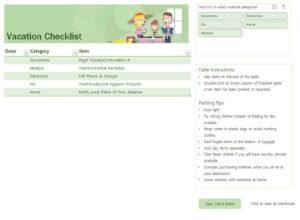
Overpacking leads to checked baggage fees which can quickly add up. Pack light by creating a detailed packing list and sticking to it. Choose versatile clothing items that can be mixed and matched, and opt for lightweight materials. Utilize packing cubes to compress your belongings and maximize space in your luggage. Avoid bringing unnecessary items; toiletries and other essentials can often be purchased at your destination if needed, sometimes even at lower costs.
Utilizing Ride-Sharing and Public Transportation
Ride-sharing services and public transportation can be cost-effective alternatives, especially in urban areas. Utilize ride-sharing apps to compare prices and find the most affordable option. For longer distances, public transportation systems like trains or buses are often cheaper than ride-sharing or taxis. Plan your routes in advance to avoid unexpected delays and maximize efficiency. Consider purchasing day passes or multi-day passes for public transport if you anticipate using it frequently.
Planning a memorable and affordable family vacation requires careful consideration and strategic planning. By implementing the budgeting techniques, destination choices, and cost-saving strategies Artikeld in this guide, you can significantly reduce expenses without compromising the quality of your family’s experience. Remember, the key is to prioritize, plan ahead, and embrace flexibility – the rewards of a well-planned, budget-conscious vacation are immeasurable.
Top FAQs
What’s the best time of year to book flights for the cheapest fares?
Generally, booking flights 2-3 months in advance offers a good balance between securing a flight and finding potentially lower fares. However, this can vary depending on the destination and time of year.
How can I save money on souvenirs?
Limit souvenir shopping to a reasonable budget beforehand. Look for local markets or less touristy areas for better deals, and consider creating mementos like photos or pressed flowers instead of buying many items.
What are some free activities I can do with my family at a vacation destination?
Many destinations offer free activities like hiking trails, parks, beaches, and free museum days. Check local event listings for free concerts or festivals.
How can I keep my kids entertained on a long car ride?
Pack books, games, movies, and snacks. Plan for regular stops for stretching and playtime. Audiobooks or podcasts can also keep everyone entertained.