Planning a family vacation can be daunting, but Asia offers a wealth of incredible destinations perfect for creating lasting memories. From bustling cities teeming with cultural experiences to serene beaches ideal for relaxation, the continent caters to diverse family preferences. This guide explores top family-friendly destinations, offering practical tips on budgeting, transportation, cultural immersion, and ensuring a safe and enjoyable trip for everyone.
We delve into the specifics of planning, including creating a realistic itinerary, managing family dynamics, and navigating various transportation options. We’ll also highlight unique, less-visited locations to offer a more authentic and enriching travel experience beyond the typical tourist hotspots. Whether you’re seeking adventure, relaxation, or a blend of both, this comprehensive guide will empower you to plan the perfect Asian family getaway.
Top 5 Family-Friendly Asian Destinations
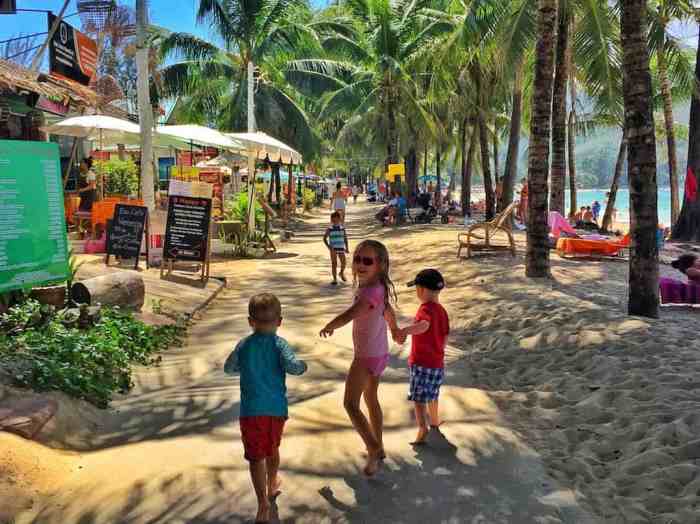
Asia offers a diverse range of experiences perfect for families seeking adventure, culture, and relaxation. From bustling cities to serene beaches, the continent caters to various interests and ages, ensuring a memorable vacation for everyone. This selection focuses on destinations renowned for their family-friendly infrastructure, activities, and overall atmosphere.
Top 5 Family-Friendly Asian Destinations
| Country | Best Time to Visit | Key Attractions | Why it’s Family-Friendly |
|---|---|---|---|
| Japan | Spring (March-May) or Autumn (September-November) | Tokyo Disneyland, Ghibli Museum, Kyoto temples, Osaka Aquarium Kaiyukan | Excellent public transportation, clean and safe environment, kid-friendly attractions, and delicious food. |
| Singapore | Year-round (but avoid monsoon season in November-January) | Gardens by the Bay, Singapore Zoo, Sentosa Island (Universal Studios Singapore), National Museum of Singapore | Modern infrastructure, efficient public transport, diverse culinary scene, and numerous family-oriented activities. |
| Thailand | November to April (avoid rainy season) | Beaches of Phuket and Krabi, temples in Bangkok, elephant sanctuaries (ethical ones), floating markets | Affordable prices, beautiful beaches, welcoming culture, and a wide range of activities suitable for all ages. |
| Malaysia | February to April and September to November | Kuala Lumpur Petronas Twin Towers, Batu Caves, beaches of Langkawi, wildlife parks | Blend of cultures, diverse landscapes, affordable accommodations, and plenty of family-friendly activities. |
| South Korea | Spring (April-May) and Autumn (September-October) | Seoul’s palaces and parks, Lotte World amusement park, Jeju Island’s volcanic landscapes, traditional Korean villages | Excellent public transport, safe and clean environment, captivating culture, and engaging activities for all ages. |
Family-Friendly Aspects of Each Destination
Japan: Japan’s meticulous attention to detail extends to its family-friendly infrastructure. The efficient and clean public transport system makes navigating the country with children a breeze. The numerous parks, meticulously manicured gardens, and family-oriented entertainment options ensure there’s something for everyone. Imagine the vibrant colours of cherry blossoms in spring, the hushed reverence within ancient temples, and the sheer delight of exploring the whimsical world of Ghibli.
Singapore: Singapore is a meticulously planned city-state that prioritizes safety and convenience. The spotless streets, efficient public transport, and abundance of family-friendly attractions make it an ideal destination. The Gardens by the Bay, with its futuristic Supertrees and immersive Cloud Forest, offers a sensory feast for all ages. Picture the cool mist of the Cloud Forest on your skin, the vibrant colours of the orchids, and the awe-inspiring scale of the Supertrees at night.
Thailand: Thailand offers a captivating blend of vibrant culture, stunning beaches, and affordable prices. Families can explore bustling markets, serene temples, and pristine beaches. Ethical elephant sanctuaries provide a responsible way to interact with these majestic creatures. Imagine the warm sand between your toes, the gentle sway of palm trees in the breeze, and the playful splashes in the turquoise waters.
Malaysia: Malaysia’s diverse landscape, from bustling cities to lush rainforests, caters to a wide range of interests. The blend of Malay, Chinese, and Indian cultures creates a rich tapestry of sights, sounds, and tastes. Families can explore vibrant markets, visit stunning caves, and enjoy the pristine beaches. Imagine the scent of spices filling the air in a bustling market, the echoing sounds within a cavernous cave, and the warmth of the sun on your skin as you relax on a tropical beach.
South Korea: South Korea seamlessly blends modern amenities with traditional culture, creating a unique and engaging experience for families. The country’s excellent public transport system, combined with its numerous parks, palaces, and amusement parks, makes it easy to explore. Imagine the vibrant colours of traditional Korean clothing, the peaceful serenity of a historic palace, and the exhilarating thrills of Lotte World.
Budgeting for a Family Vacation in Asia
Planning a family vacation to Asia requires careful budgeting to ensure a memorable trip without breaking the bank. The costs can vary significantly depending on your chosen destination, travel style, and family size. This section will provide insights into creating a realistic budget and strategies for maximizing your spending power.
Sample Budget Breakdown for a Week-Long Family Vacation in Thailand
A week-long trip to Thailand, a popular and relatively affordable Asian destination, offers a good example for budgeting. The costs below are estimates and can fluctuate based on the season, your choices, and the specific location within Thailand (e.g., Bangkok versus a smaller island).
The following budget examples consider a family of four (two adults, two children) and a family of two (two adults).
- Family of Four (Two Adults, Two Children):
- Flights: $2,000 – $4,000 (depending on origin and booking time)
- Accommodation (7 nights): $700 – $2,100 (ranging from budget-friendly guesthouses to mid-range hotels)
- Activities & Entrance Fees: $500 – $1,500 (including temple visits, cooking classes, and potential excursions)
- Food & Drinks: $700 – $1,400 (a mix of street food and restaurant meals)
- Transportation: $200 – $500 (local transport, taxis, and potential domestic flights)
- Miscellaneous (souvenirs, etc.): $200 – $500
- Total Estimated Cost: $4,300 – $10,000
- Family of Two (Two Adults):
- Flights: $1,200 – $2,500
- Accommodation (7 nights): $400 – $1,200
- Activities & Entrance Fees: $300 – $800
- Food & Drinks: $400 – $800
- Transportation: $100 – $300
- Miscellaneous: $100 – $300
- Total Estimated Cost: $2,500 – $5,900
Strategies for Saving Money
Several strategies can help families save money on their Asian vacation.
Careful planning and flexibility are key to minimizing expenses. Booking flights and accommodation in advance, especially during off-peak seasons, can yield significant savings. Consider utilizing budget airlines and exploring less touristy areas for cheaper accommodation options.
- Flights: Book flights well in advance, be flexible with your travel dates (mid-week flights are often cheaper), consider budget airlines, and use flight comparison websites.
- Accommodation: Explore options beyond hotels, such as guesthouses, hostels (for families comfortable with shared spaces), and vacation rentals (Airbnb, VRBO). Consider locations slightly outside major tourist hubs for lower prices.
- Activities: Prioritize free activities like exploring local markets, visiting temples, and enjoying parks. Look for discounts on attractions and consider purchasing multi-day passes if applicable. Research free walking tours in major cities.
Cost Differences Between Accommodation Options
The cost of accommodation varies greatly depending on the type of lodging.
Hotels typically offer a range of amenities and services but come with a higher price tag, especially luxury hotels and resorts. Resorts often include additional features like pools, spas, and on-site restaurants, further increasing the cost. Vacation rentals, such as apartments or houses, offer more space and kitchen facilities, potentially saving money on food costs, but may lack some hotel amenities.
Guesthouses and hostels are the most budget-friendly options, but they often sacrifice privacy and amenities.
| Accommodation Type | Approximate Cost per Night (USD) | Pros | Cons |
|---|---|---|---|
| Luxury Hotel/Resort | $200+ | High level of amenities, service, and comfort | Very expensive |
| Mid-Range Hotel | $50-$150 | Good balance of comfort and price | May lack some amenities |
| Guesthouse | $20-$50 | Affordable, often locally owned | Basic amenities, less privacy |
| Vacation Rental | $50-$200+ | More space, kitchen facilities | May lack hotel amenities, cleaning fees may apply |
| Hostel (family rooms) | $20-$40 per bed | Very affordable, social environment | Shared facilities, less privacy |
Ultimately, a family vacation to Asia promises an unforgettable adventure, blending cultural immersion, breathtaking landscapes, and exciting activities suitable for all ages. By following the tips and suggestions provided, you can confidently plan a trip that balances exploration with relaxation, creating cherished memories that will last a lifetime. Remember to prioritize safety, embrace the local culture, and most importantly, enjoy the journey with your loved ones.
FAQ Guide
What are the best times to visit Southeast Asia for families?
Generally, the dry season (November to April) is best for most Southeast Asian countries, offering pleasant weather for outdoor activities. However, specific ideal times vary by location.
How do I handle jet lag with young children?
Adjust your children’s sleep schedule gradually before departure. Maintain a consistent sleep routine during the trip, and utilize daylight exposure to help regulate their circadian rhythm. Short naps throughout the day can also be helpful.
What are some good resources for finding family-friendly accommodation?
Websites like Booking.com, Expedia, and Airbnb allow filtering for family-friendly amenities such as cribs, extra beds, and kid-friendly pools. Look for reviews mentioning families’ experiences.
What about food allergies or dietary restrictions?
Communicating dietary needs clearly is crucial. Learn basic phrases in the local language related to allergies. Many restaurants cater to special requests, but be prepared to be more flexible in some areas.